Vitamin D3 and the immune system
Vitamin D3 contributes to the normal function of the immune system and can be particularly useful during periods of greater physical stress or in the winter months, when sun exposure is reduced.

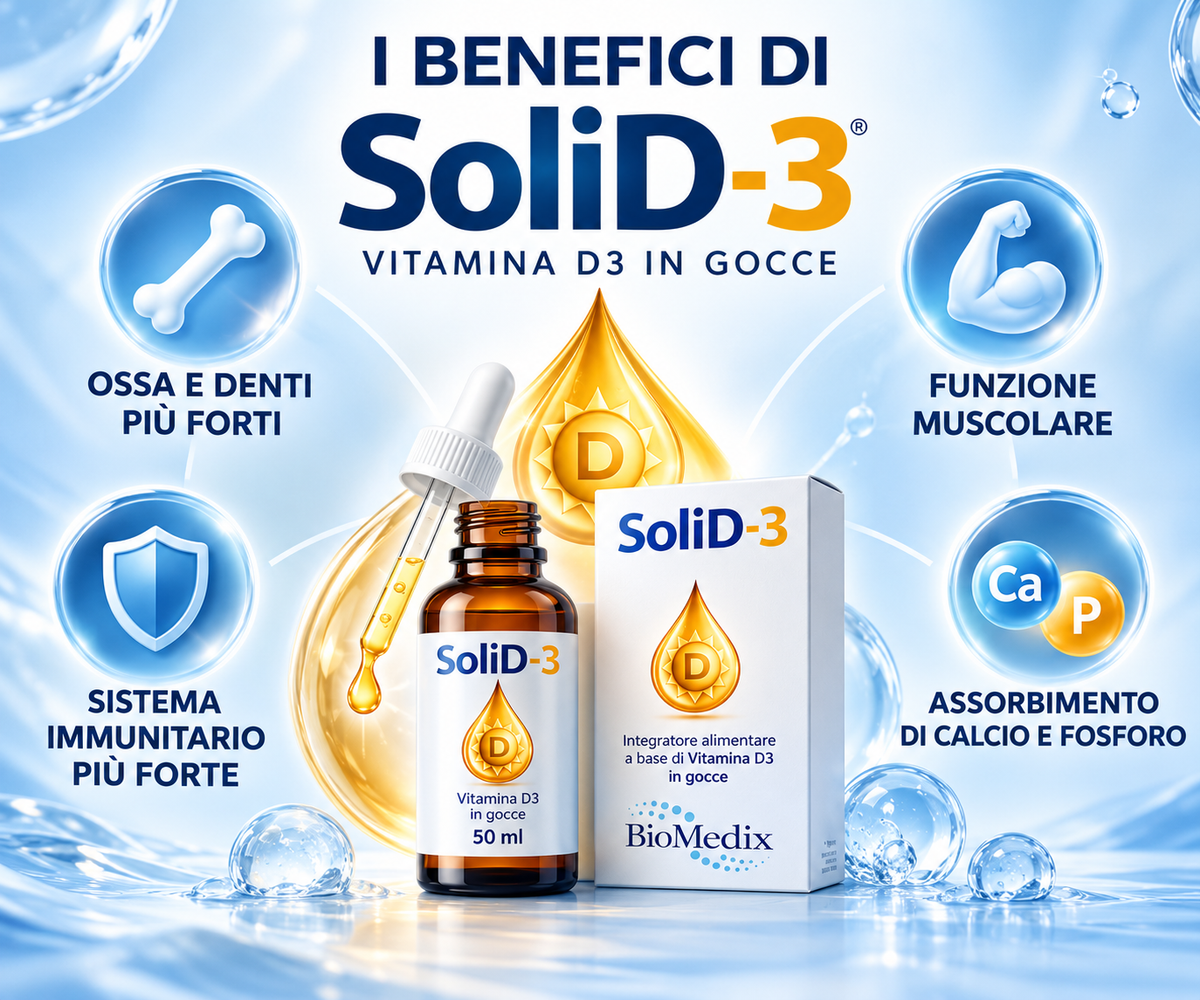
Vitamin D3 is an essential nutrient for the body’s overall well-being and plays a key role in many physiological processes. It contributes to the normal function of the immune system and to the maintenance of healthy bones and muscles, and it supports the proper absorption and use of calcium, a fundamental element for skeletal health.
Vitamin D3, also known as cholecalciferol, is a fat-soluble vitamin produced naturally by the body when the skin is exposed to sunlight. Besides this internal production, it can also be obtained through diet and, when needed, through specific supplements.
Vitamin D3 levels are assessed with specific blood tests, which help monitor the health of bones and muscles. A proper balance of this vitamin is also important in preventing conditions related to bone fragility.
Vitamin D3 contributes to the normal function of the immune system and can be particularly useful during periods of greater physical stress or in the winter months, when sun exposure is reduced.
Adequate vitamin D3 levels support muscle strength and tone, contributing to better function and a lower risk of muscle weakness, especially in adults and older people.
This vitamin supports the absorption of calcium and phosphorus, which are essential for bone structure. An adequate intake contributes to the maintenance of normal bones over time.
Proper vitamin D3 supplementation can support everyday vitality, contributing to general well-being and helping the body maintain a healthy functional balance.
For people who exercise, vitamin D3 supports muscle function and can help with more efficient recovery after training, especially with intense or frequent workouts.
Combining regular physical activity with proper vitamin D3 supplementation helps maintain muscle well-being and a healthy, active lifestyle.
The body’s natural production of vitamin D3 depends on several factors, including season, latitude, age, skin colour and the use of sunscreen, all of which can reduce production in the skin.
As a fat-soluble vitamin, vitamin D3 is better absorbed when taken with meals, ideally ones containing some fat, following the advice of a healthcare professional.
Vitamin D3 is measured with a simple blood test, which gives a precise picture of the body’s vitamin status.
The test results show whether vitamin D3 levels are adequate, insufficient or deficient, so that targeted action can be taken if needed.